



Understanding the social dynamics of gambling in modern society
The Evolution of Gambling Culture
Gambling has a long-standing history, evolving from simple games of chance in ancient civilizations to the complex and multifaceted industry we see today. Initially, gambling was often tied to rituals and social gatherings, fostering community ties and cultural exchanges. Over the centuries, it transitioned into a more structured form, with the establishment of casinos and betting houses, reflecting societal changes and economic development. Modern gambling has expanded into digital spaces, allowing individuals to engage with these activities from the comfort of their homes, including experiences at a bitcoin casino.
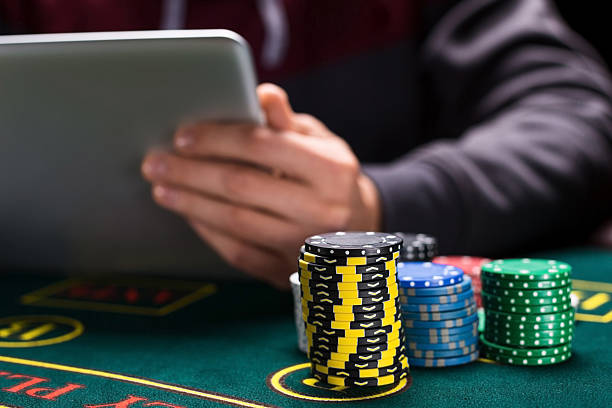
In the current era, gambling is not just a leisure activity; it’s often a cultural phenomenon that influences social interactions. From online poker nights among friends to the vibrant atmosphere of a casino, gambling serves as a social lubricant, facilitating connections and communal experiences. This evolution highlights how gambling has adapted to fit the lifestyle and technological advancements of contemporary society, integrating itself seamlessly into various social contexts.
Moreover, the diversification of gambling platforms has made it more accessible to a broader audience. Online casinos, sports betting apps, and mobile gaming have democratized the experience, making it possible for anyone to participate. This accessibility can enhance social dynamics, as it opens up discussions around gaming, strategies, and outcomes, creating a shared language among players, regardless of their physical location.
The Psychological Aspects of Gambling
The psychological appeal of gambling plays a significant role in its social dynamics. Many individuals are drawn to the thrill of chance and the possibility of winning. This excitement can forge strong bonds among friends and family, as shared experiences in gambling lead to memorable moments and emotional highs. The allure of the jackpot, combined with the social aspect of gaming, often encourages group participation, further entrenching gambling in social settings.
Additionally, the psychology of risk-taking associated with gambling can reveal much about human behavior. Individuals often engage in gambling to escape reality or cope with stress, making it a communal activity that some may use to bond over shared struggles. The risks involved create a unique camaraderie among players, as they collectively navigate the highs and lows of their gaming experiences. This bonding through shared emotional journeys can deepen relationships and foster a sense of belonging.
However, it is crucial to recognize the potential pitfalls of gambling addiction, which can disrupt social dynamics. When gambling becomes compulsive, it can lead to isolation and strained relationships, as individuals prioritize gaming over their personal and social obligations. Awareness of the psychological aspects of gambling can encourage responsible behaviors and discussions, promoting healthier social interactions and minimizing negative consequences within communities.
The Role of Technology in Modern Gambling
Technology has fundamentally transformed the gambling landscape, ushering in new forms of interaction that influence social dynamics. Online casinos and mobile apps enable users to gamble anywhere, anytime, removing geographical barriers. This shift has allowed players to connect with others across the globe, sharing experiences and strategies through digital platforms. The anonymity of online gambling can also create unique social dynamics, as players may feel freer to engage without the judgment often associated with traditional casinos.
Furthermore, advancements in technology have introduced innovative features that enhance the gambling experience, such as live dealer games and virtual reality environments. These developments simulate the atmosphere of a physical casino, bringing a sense of community to online platforms. Players can interact with live dealers and other participants in real-time, fostering a sense of togetherness even in a virtual space. Such interactions can contribute to a more engaging and social gambling experience.
Moreover, social media has played a significant role in shaping modern gambling dynamics. Players often share their wins, strategies, and experiences on various platforms, creating a virtual community of gamblers. This online presence encourages social interactions and discussions, influencing perceptions of gambling within society. Technology, therefore, not only facilitates gambling but also shapes the way individuals engage with it socially, leading to new forms of community and connection.
The Impact of Regulation and Legislation
The regulation of gambling has significant implications for its social dynamics in contemporary society. Different regions implement varying laws concerning gambling, which affect how and where individuals can engage in these activities. In some areas, strict regulations aim to combat problem gambling and protect vulnerable populations, while others promote gambling as a viable economic enterprise. These regulatory frameworks influence public perception and societal attitudes toward gambling, shaping community norms.
Additionally, the emergence of responsible gambling initiatives underscores the importance of awareness and education around gambling behaviors. As more jurisdictions recognize the potential harm associated with gambling, community programs and campaigns are designed to educate individuals on the risks and promote healthy gaming practices. These efforts can foster a more informed gambling culture, where individuals engage responsibly and communities support one another in maintaining balance.
Moreover, as public attitudes evolve, there is a growing acceptance of gambling as a legitimate form of entertainment. This shift allows for more open discussions about gambling practices and encourages a supportive environment for those facing challenges related to gambling. Regulation and social attitudes intertwine, influencing how communities view and interact with gambling, ultimately shaping its role within modern society.
Understanding the Future of Gambling and Its Social Dynamics
As we look towards the future of gambling, it is essential to consider how social dynamics will continue to evolve alongside this industry. Emerging trends, such as the rise of cryptocurrency and the popularity of eSports betting, may redefine the landscape of gambling. These innovations not only attract a younger audience but also offer new platforms for social interaction. Community engagement within these new realms will be vital in shaping future gambling practices and behaviors.
The conversation surrounding gambling’s impact on society is increasingly important as public interest grows. Understanding these dynamics can help stakeholders, including policymakers, operators, and communities, to navigate challenges and opportunities. By fostering open dialogue, the industry can address concerns related to addiction, inclusivity, and responsible gaming, ensuring a healthier environment for all participants.
In conclusion, as gambling continues to evolve, so too will its social dynamics. The interplay of technology, psychology, regulation, and cultural acceptance will shape how individuals and communities engage with gambling. Embracing these changes with awareness and responsibility can lead to a more positive and connected gambling culture, enriching social interactions and fostering healthier community relationships.
 from Roda Digital
